
acid etched glass price
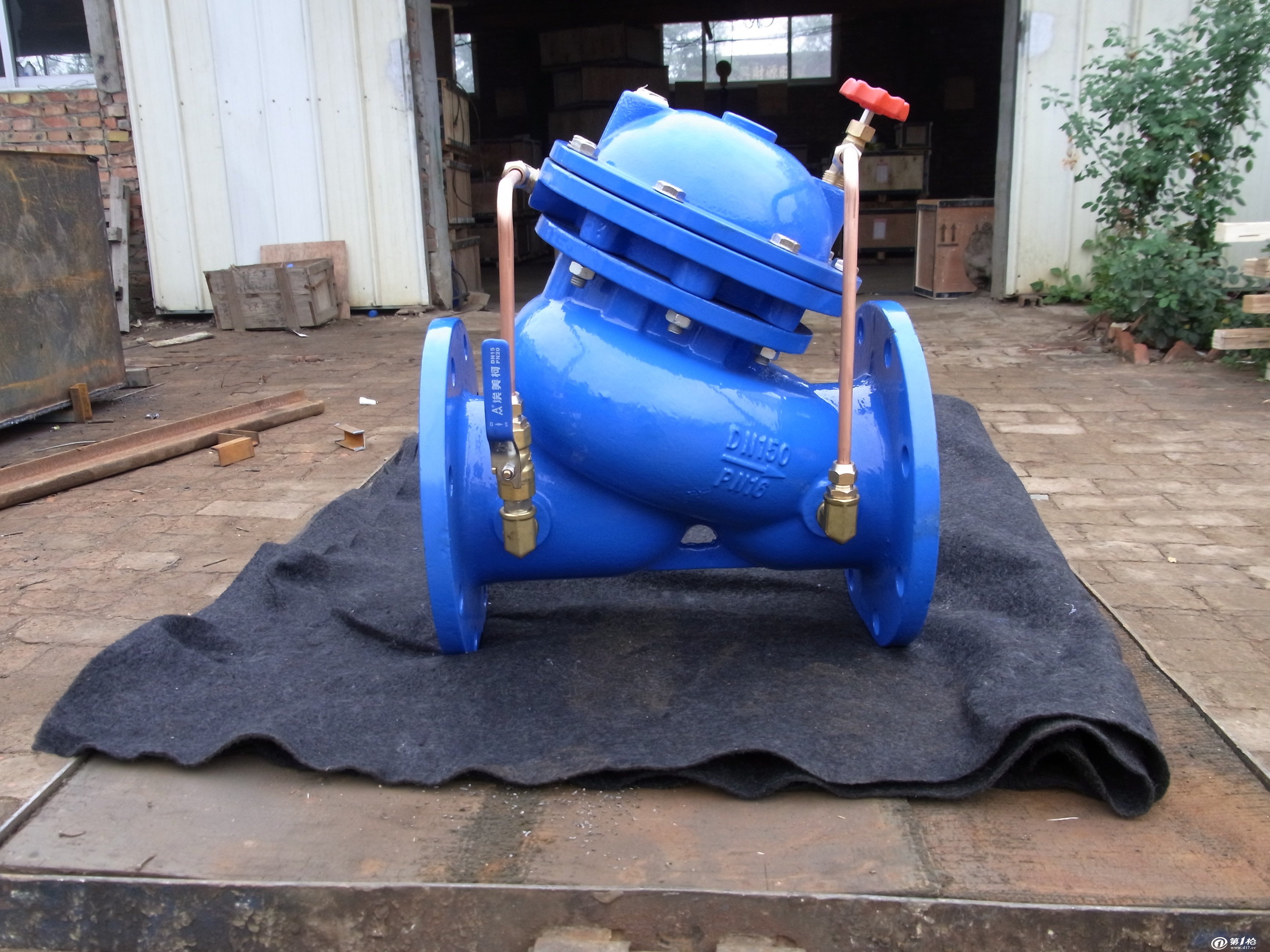
How to Close the Water Valve A Step-by-Step Guide Closing a water valve is a crucial skill for homeowners and renters alike. Whether you are tackling a plumbing issue, preparing for maintenance, or simply trying to conserve water, knowing how to properly shut off your water supply is essential. This article will guide you through the steps necessary to close a water valve safely and effectively. Why You Might Need to Close the Water Valve There are several scenarios in which you may need to close your water valve. Common reasons include 1. Plumbing Repairs If you are fixing a leaky faucet, changing out a toilet, or repairing pipes, it’s important to close the valve to prevent water from flowing and creating a mess. 2. Emergencies In the event of a burst pipe or severe leak, turning off the water can help minimize damage to your home. 3. Seasonal Maintenance For those living in colder climates, it may be necessary to shut off the water to outdoor faucets to prevent freezing and cracking during winter. Identifying Your Water Valves Before you can close a water valve, you need to know where they are located. There are usually two types of valves in a typical household 1. Main Shut-off Valve This valve controls the water supply to your entire home. It is typically located near the water meter or where the main water line enters your house. 2. Individual Shut-off Valves These valves control the water supply to specific fixtures, such as sinks, toilets, and appliances. They are usually located close to the fixture they serve. Step-by-Step Instructions to Close the Water Valve Now that you are familiar with the types of valves, here is how to close them how to close the water valve 1. Gather Necessary Tools You may not need any tools for most valves since they can often be operated by hand. However, having a wrench or pliers nearby can be helpful for more stubborn valves. 2. Locate the Valve Find the appropriate valve that you need to close. If it's the main shut-off valve, look for a round wheel or a lever. For individual fixtures, check under the sink, behind the toilet, or near appliances. 3. Turn Off the Valve - For a Round Wheel Valve Turn the handle clockwise (right) to close it. You may need to use some force if it hasn’t been turned in a while. - For a Lever Valve Switch the lever 90 degrees to the right (or perpendicular to the pipe) to shut off the water. 4. Test the Valve Once closed, turn on a faucet connected to the same line to check if water is still running. If it stops, you've successfully closed the valve. 5. Address Any Issues If the valve is leaking or difficult to turn, you may need to consult a plumber to avoid any complications. Do not force a valve that is stuck, as this could cause damage. Conclusion Knowing how to close the water valve is an important home maintenance skill. Whether you are performing repairs, tackling leaks, or mobilizing for seasonal changes, securely shutting off your water supply helps protect your property, save water, and mitigate potential damage. Always remember to check your valves periodically to ensure they remain in good working condition. With these steps, you will be well-equipped to manage your water supply efficiently.
about
acid etched glass price
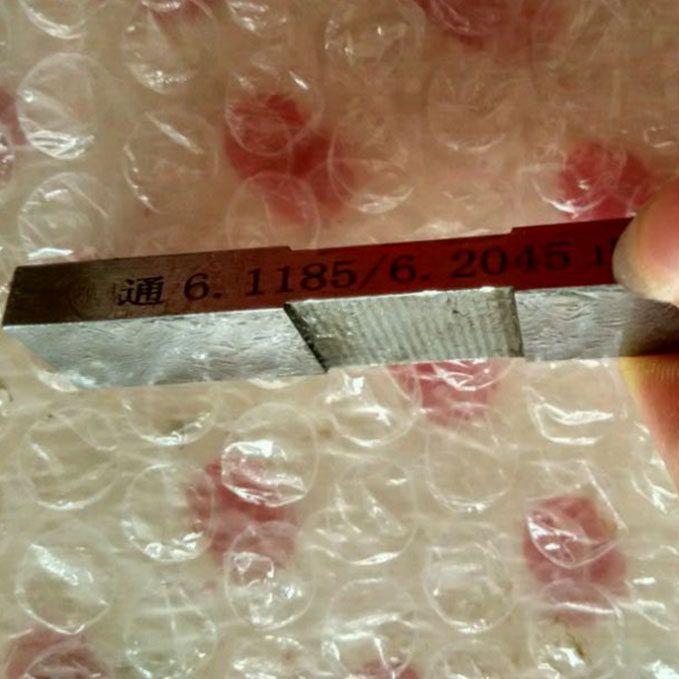
Understanding Snap Micrometers Precision Measurement Tools in Engineering The snap micrometer, often simply referred to as a micrometer, is an instrumental tool in precision engineering and manufacturing, celebrated for its ability to measure small dimensions with remarkable accuracy. The origins of the micrometer date back to the 17th century, but the evolution of snap micrometers has made them indispensable in modern precision measurement applications. What is a Snap Micrometer? A snap micrometer features a unique design, consisting of two main parts a fixed anvil and a movable spindle that is adjusted via a screw mechanism. The measurement of an object occurs between the anvil and the spindle, which can be precisely turned to create a small gap for measurement. The measurement range of traditional micrometers is typically from 0 to 25 millimeters or other selected ranges, which can be further divided into more specific decimal points. The term snap refers to the micrometer's mechanism, where the spindle can snap into place when the object being measured is inserted, allowing for an immediate and secure measurement. This feature adds efficiency to the measurement process, ensuring that users can quickly obtain readings without the fear of misalignment or variance. Key Features and Benefits 1. Accuracy Snap micrometers are known for their exceptional accuracy, often capable of measuring to the nearest 0.01 millimeters or finer, depending on the model. This level of precision is critical in industries that require tight tolerances, such as aerospace, automotive, and electronics. 2. Ease of Use The intuitive design allows users to measure objects without extensive training. The clear scale and locking mechanism ensure that users can obtain reliable readings consistently, making it ideal for professionals and hobbyists alike. snap micrometer 3. Durability Many snap micrometers are constructed from high-quality materials, such as hardened steel or stainless steel, which not only enhances their durability but also helps preserve accuracy through consistent use . The robust design contributes to their longevity even in harsh working environments. 4. Versatility Different types of snap micrometers are available, tailored for various applications. For instance, there are specific models for measuring external dimensions, internal dimensions, and depths, making them versatile tools in any workshop or lab. Applications in Industry Snap micrometers are widely employed in different sectors where precision measurements are crucial. In manufacturing, they are essential for ensuring that parts fit together correctly, contributing to overall product quality. In laboratories, snap micrometers are used for research and development, where precision measurements can influence experimental outcomes. Additionally, these tools play a vital role in quality control. By regularly checking dimensions against specifications, manufacturers can maintain product standards and reduce waste due to faulty measurements. Conclusion In summary, the snap micrometer is a vital tool in the realm of precision measurement. With its accuracy, ease of use, durability, and versatility, it stands out as an essential instrument for engineers, machinists, and researchers alike. As industries continue to push the envelope in terms of technology and precision, the snap micrometer will undoubtedly remain a reliable partner in the quest for excellence in measurement. Whether used in high-stakes manufacturing processes or intricate experimental setups, the snap micrometer exemplifies the importance of accurate measurement in achieving quality and efficiency.
-

High quality industrial productsagement

High quality industrial products
View Details -

Meet the diverse needs of customers

Meet the diverse needs of customers
View Details -

Strict quality control

Strict quality control
View Details -

Top raw materials

Top raw materials
View Details -

Trusted supplier

Trusted supplier
View Details
Our application


news and information
y type strainer with drain valve
Understanding Y-Type Strainers with Drain Valves The Essential Component for Fluid Management In var
Versatile Clamps for Welding Tables to Enhance Your Fabrication Projects
welding table clamps 5 8

Vanne anti-retour de haute qualité - Solutions fiables pour la gestion des fluides
Les vannes anti-retour Un élément essentiel dans les systèmes de plomberie Les vannes anti-retour
 English